Denver Nightlife Is Changing. Here’s Why the Public Should Care.
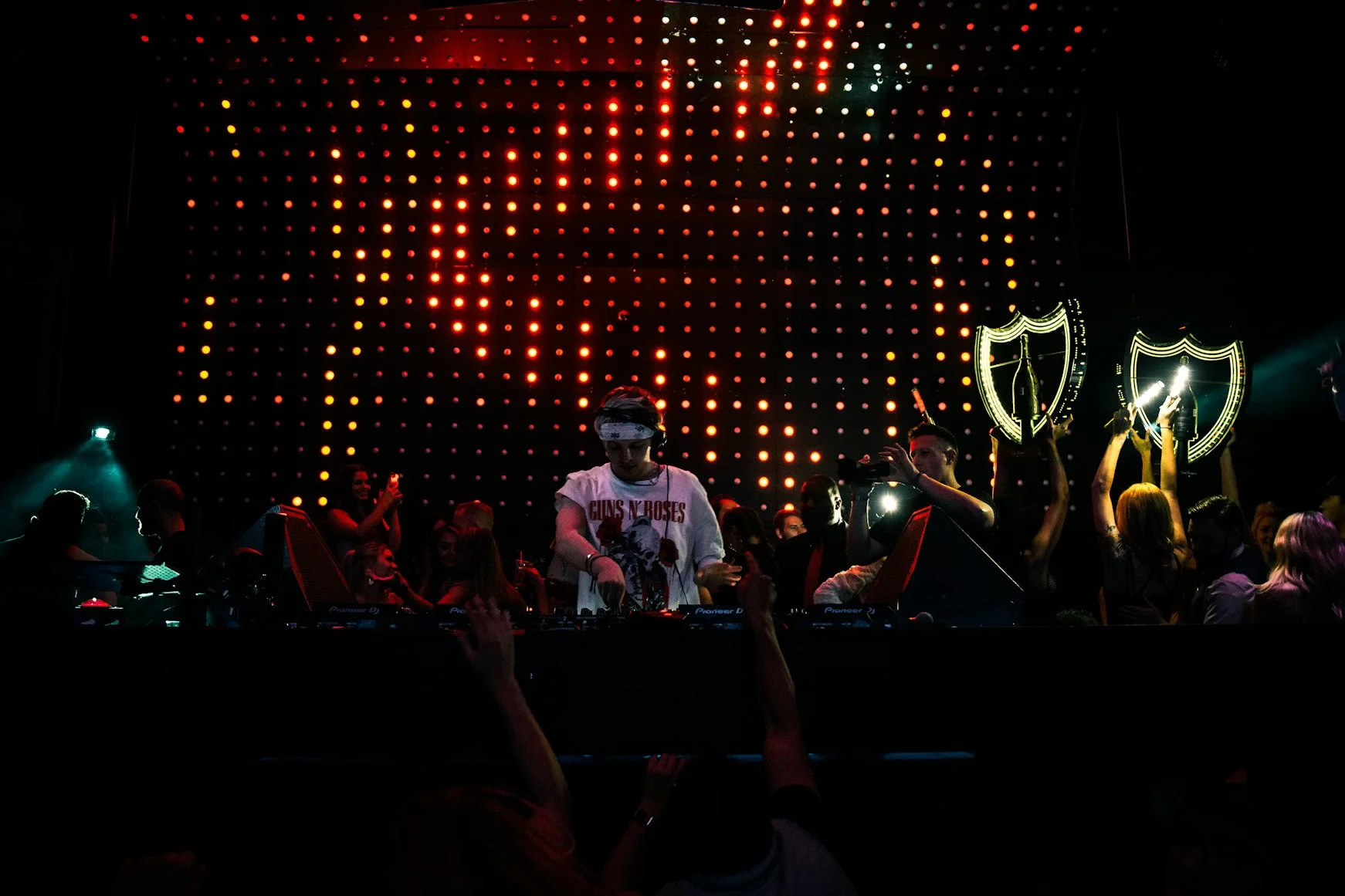
People search for Denver nightlife because they want somewhere to go. A show. A dance floor. A small room with a DJ. A late-night bar. A place that still feels alive after dinner.
Soon, those places could be operating under a very different set of rules.
Denver is considering a major rewrite of its entertainment licensing system. Most people have only heard one part of it: some Denver nightclubs may be allowed to stay open until 4 a.m. That is a big change. But it is not the whole story.
The bigger issue is that Denver is rewriting how nightlife, live music, DJs, dance floors, performances, and entertainment spaces are regulated. If the ordinance is written well, it could help Denver expand nightlife and create more opportunities for music, culture, and late-night activity.
If it is written poorly, it could make things harder for the small venues, bars, cafés, galleries, and independent spaces that make Denver nightlife interesting in the first place.
This matters even if you do not own a venue. It matters if you go to concerts, dance, attend comedy shows, visit art openings, support local DJs, work in hospitality, live near a nightlife district, or care about Denver having more than restaurants and apartments.
Denver nightlife is not just clubs. It is part of the city’s cultural life.
What Is Changing for Denver Nightclubs and Entertainment Venues?
Denver’s Department of Licensing and Consumer Protection has proposed replacing the current cabaret and amusement license structure with a new entertainment licensing system.
The city says the goal is to modernize outdated rules, separate entertainment licensing from liquor licensing, reduce confusion, and create more opportunities for entertainment.
That goal is worth supporting. Denver needs a nightlife system that reflects how people actually gather now.
However, with how it is currently written, it could have the opposite effect.
The 4 A.M. Denver Nightclub Rule Is Only One Part of the Story
The most publicized part of the proposal is that qualifying Denver nightclubs and adult entertainment businesses could stay open until 4 a.m.
That does not mean alcohol would be served until 4 a.m. Alcohol hours are controlled by the state. Unless state law changes, venues would still have to stop serving alcohol at the current legal time.
What could change is operating hours. Certain Denver nightclubs could stay open later without alcohol service.
That could matter for public safety. Right now, nightlife often ends in a rush. Large groups of people leave bars and clubs at the same time. Sidewalks fill. Rideshares spike. Streets get crowded. Police, medical, and transportation resources all feel that pressure in a short window.
Later hours could spread people out over time. Instead of everyone leaving at once, people could leave more gradually.
That is one of the strongest parts of the proposal. Many major cultural cities allow later nightlife hours. Denver has grown into a serious music and arts city, but its rules have not always kept up.
The Part People Do Not Know: Denver Nightlife Could Expand
The more important part of this ordinance is not just later nightclub hours. It is the possibility of expanding entertainment across Denver.
If written clearly, the new system could make it easier for more businesses to host live music, DJs, performances, dance events, and cultural programming.
That could mean more Denver events, more local music, more neighborhood shows, more late-night options, and more reasons for people to stay in the city instead of feeling like Denver shuts down early.
That is the upside.
However, that is currently not the case in the proposed ordinance. If the rules stay vague like they are currently written in the draft ordinance, smaller spaces may stop hosting events because the risk is too high. A café should not need an attorney to know whether it can host a small live performance. A gallery should not have to guess whether a DJ set turns it into a regulated entertainment business. A small cultural space should not have to cancel programming because the definitions are unclear.
Denver should make entertainment easier to host, not harder to understand.
Why Small Denver Venues Could Be at Risk
One concern is how the draft treats small venues.
The draft appears to define a nightclub as a venue that operates after 10 p.m., has an occupancy of at least 100 people, and has live music, DJs, performances, or dancing as a primary attraction.
Limited entertainment businesses appear to face a midnight cutoff.
That creates a serious question: what happens to a venue under 100 capacity that wants to host music after midnight?
Small venues are where Denver nightlife begins. They are where artists test ideas. They are where audiences form. They are where local scenes develop before they reach bigger rooms.
If only larger clubs have a clear path to late-night operation, Denver risks favoring bigger operators while weakening the cultural pipeline that feeds the whole city.
A healthy nightlife system needs large venues, small venues, neighborhood spaces, and experimental rooms. It cannot only work for businesses with enough money to survive complicated licensing.
Denver Entertainment Rules Need Clear Exemptions
Denver officials have said they do not intend to regulate every kind of entertainment in the city. That clarification matters.
But the ordinance itself should make that clear.
Low-impact spaces need clear exemptions. That includes cafés, galleries, bookstores, community arts spaces, rehearsal spaces, youth-oriented cultural spaces, and occasional performance venues that are not operating like nightclubs.
Without clear exemptions, businesses may avoid entertainment altogether. That would reduce culture, not expand it.
Clear rules help everyone. They help businesses comply. They help residents understand what is allowed. They help the city enforce safety standards fairly. They help neighborhoods raise legitimate concerns without creating a system where vague complaints can threaten venues.
Existing Denver Venues Need a Smooth Transition
Current cabaret license holders would have to move into the new licensing system as their existing licenses expire.
Denver officials have said they plan to allow businesses to apply up to 90 days before expiration and that they do not expect a backlog.
That is helpful, but it should be clearly written into the ordinance.
Existing venues should not risk losing their ability to operate because an old license expires before a new one is approved. Even a short closure can hurt a venue. Shows get cancelled. Staff lose shifts. Artists lose bookings. Rent still has to be paid.
If Denver wants to modernize nightlife, it should not accidentally push existing venues into administrative limbo.
Safety Rules Should Match the Venue
The draft would require nightclubs to maintain licensed security and screen for weapons.
Safety matters. Denver nightlife needs to be safe for patrons, workers, artists, neighbors, and everyone moving through the city at night.
But safety rules should match the venue.
A large Denver nightclub with hundreds of people is not the same as a small arts space with a clean record. A venue with repeated safety problems is not the same as a venue that has operated responsibly for years.
Security and weapons screening may be appropriate in some settings. But blanket requirements can be expensive and culturally damaging for smaller venues.
Denver should protect public safety without making every cultural space feel like an airport checkpoint.
The “Nightclub Manager” Definition Needs Work
The draft’s definition of “nightclub manager” is also too broad.
As written, it could potentially include people who help with talent, marketing, promotion, cover charges, security, or crowd management.
That is a problem.
A promoter is not automatically a nightclub manager. A talent buyer is not automatically a nightclub manager. A marketing contractor, door person, or security worker should not be treated as legally responsible for a venue unless they actually control operations and compliance.
Liability should apply to people with real authority over the premises, safety policies, staffing, and legal compliance.
Denver nightlife depends on many roles. The ordinance should not accidentally turn basic nightlife work into legal exposure.
Denver Can Get This Right
Denver has a real opportunity.
The city can allow later Denver nightclub hours, expand entertainment, support local music, improve crowd movement, and build a stronger nightlife system.
But the final ordinance needs clearer definitions, stronger exemptions, proportional safety rules, and a realistic path for small venues.
This is not only about 4 a.m. closing times.
It is about whether Denver builds a nightlife system that supports culture at every level, from established nightclubs to small independent spaces.
A strong ordinance could make Denver nightlife safer, more vibrant, and more accessible.
A vague ordinance could make it harder for the places people love to survive.